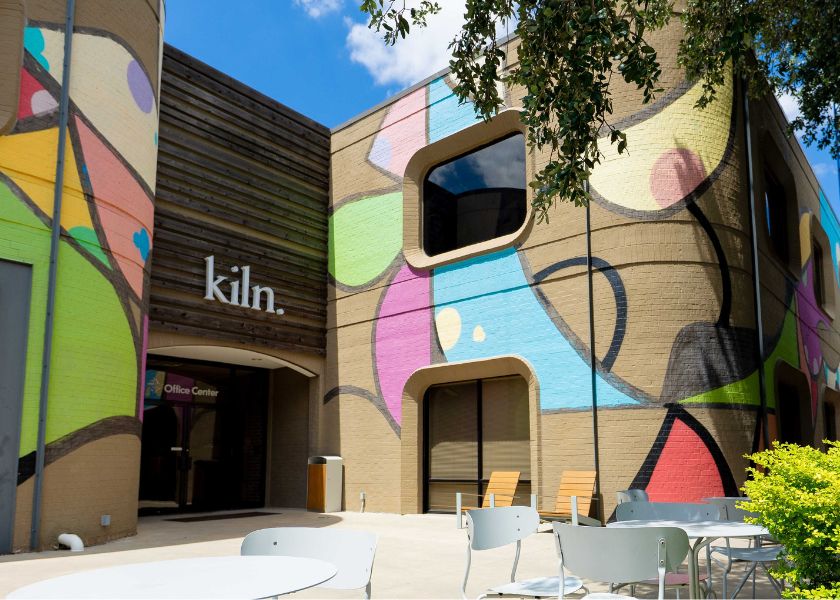
At a time when many companies are still figuring out how to bring employees back to the office, coworking brand Kiln is offering a solution. It’s about creating offices where people actually want to be.
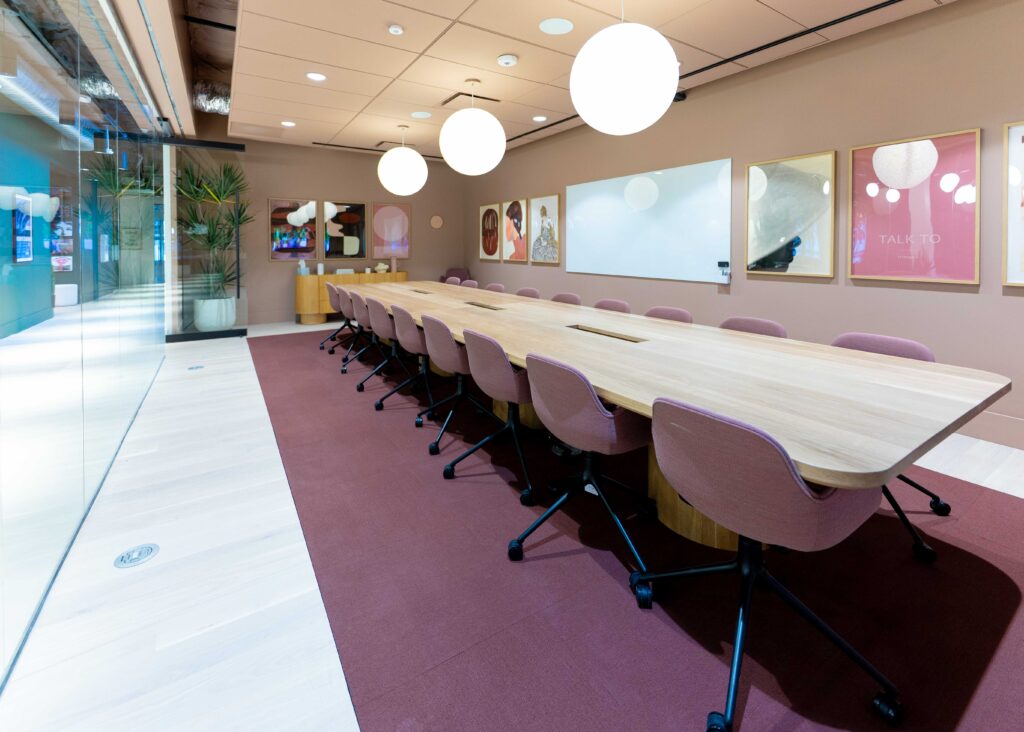
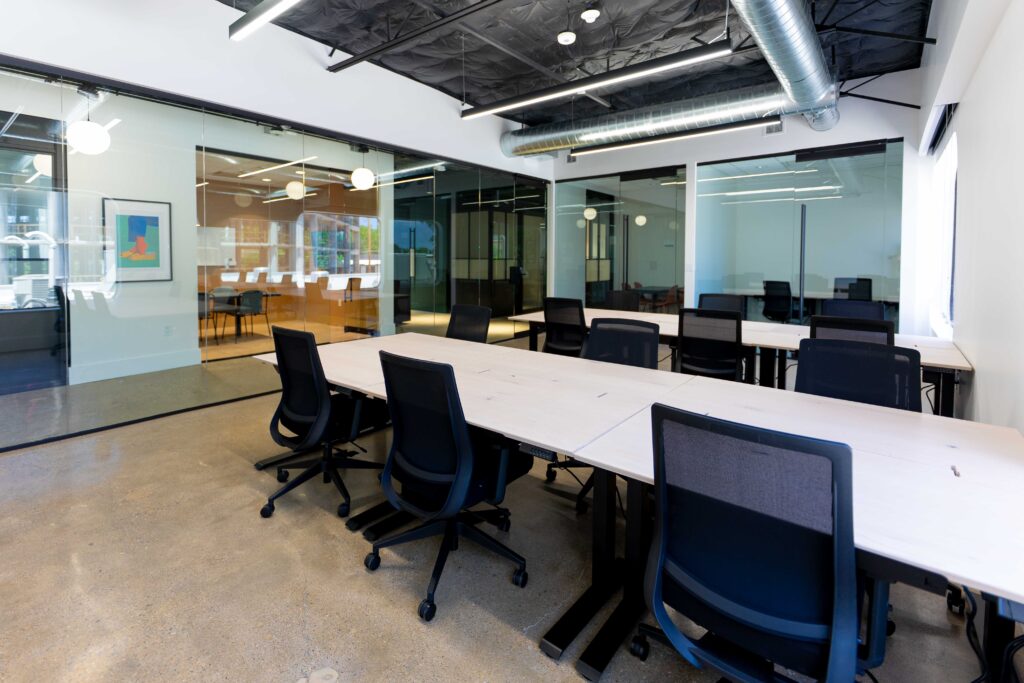
Kiln is focused on providing office space with a focus on hospitality, where amenities and experiences play a key role in defining the work environment. We are developing our business in the coworking market. For the uninitiated, coworking refers to shared office space that allows individuals or small businesses to rent a combination of private offices, shared work areas, and meeting rooms.
Utah-based Kiln operates more than 20 locations. Most of them are in the western United States, but the brand just debuted in North Texas with a new store in Preston Hollow and plans to open another in Plano.
The Preston Hollow store is located in The Hill Shopping Center near North Central Expressway and Walnut Hill Lane and occupies approximately 23,000 square feet of second-floor space. Scheduled to open later this year, Kiln’s Plano operation will be a 28,000-square-foot space at The Shoppes at Legacy North.
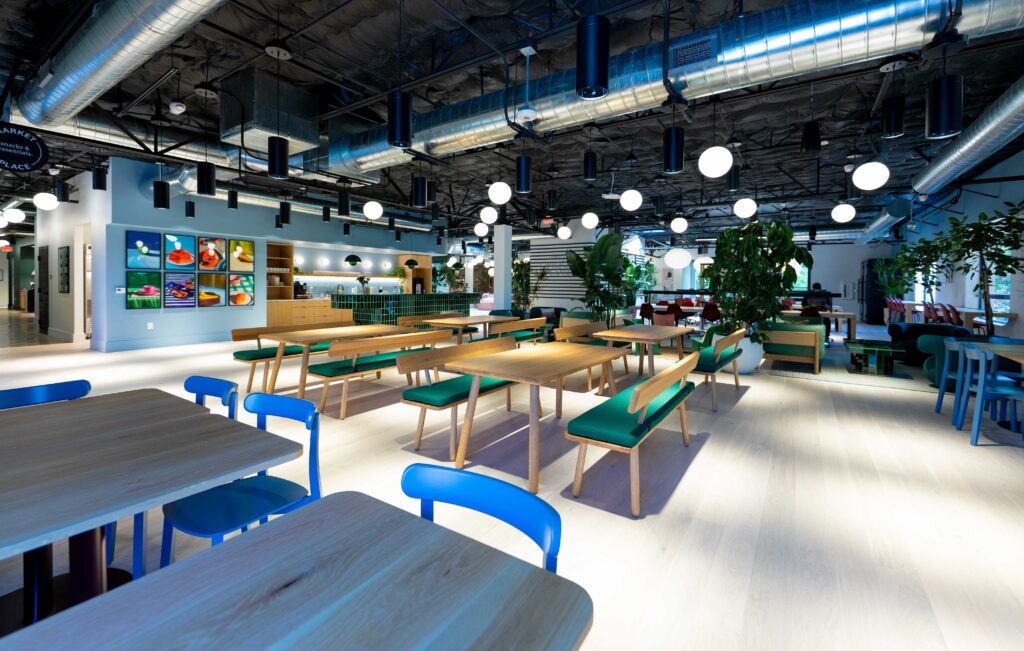
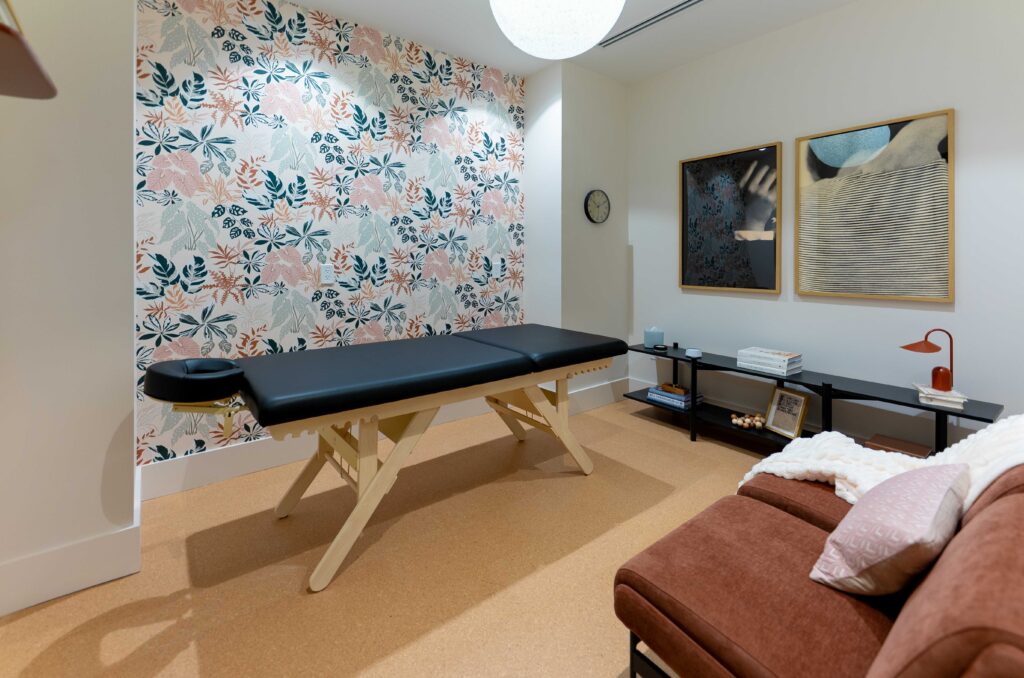
A flight to quality has been fueling the office market for some time now, and this type of move tends to favor companies with significant business size. However, even small businesses can jump on this trend with high-end coworking spaces like Kiln.

“People need space to work, but they also want to work in environments that empower them, inspire them, support talent recruitment and retention, and provide a great place to collaborate,” said Ariane Ruiz, CEO of Kiln. “It’s no longer a matter of space, it’s really a matter of experience.”
Lewis described Kiln not as a traditional office provider, but as a “lifestyle brand” centered around community, flexibility and work experience.
“Our members’ quality of life comes first, and we think deeply about how we improve it through every step of our service,” he said.
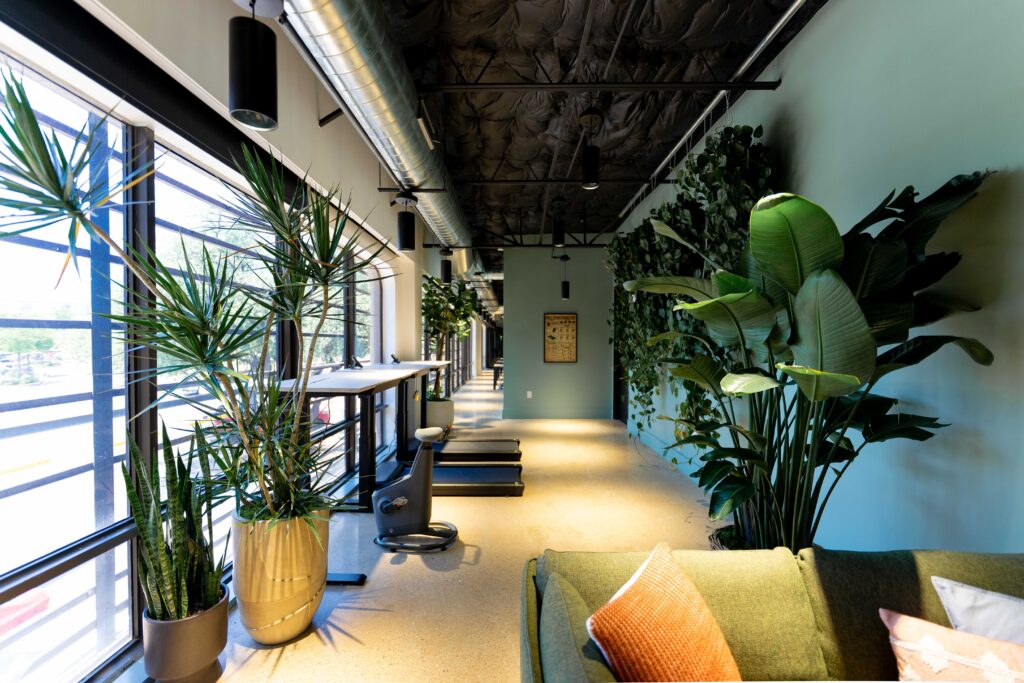
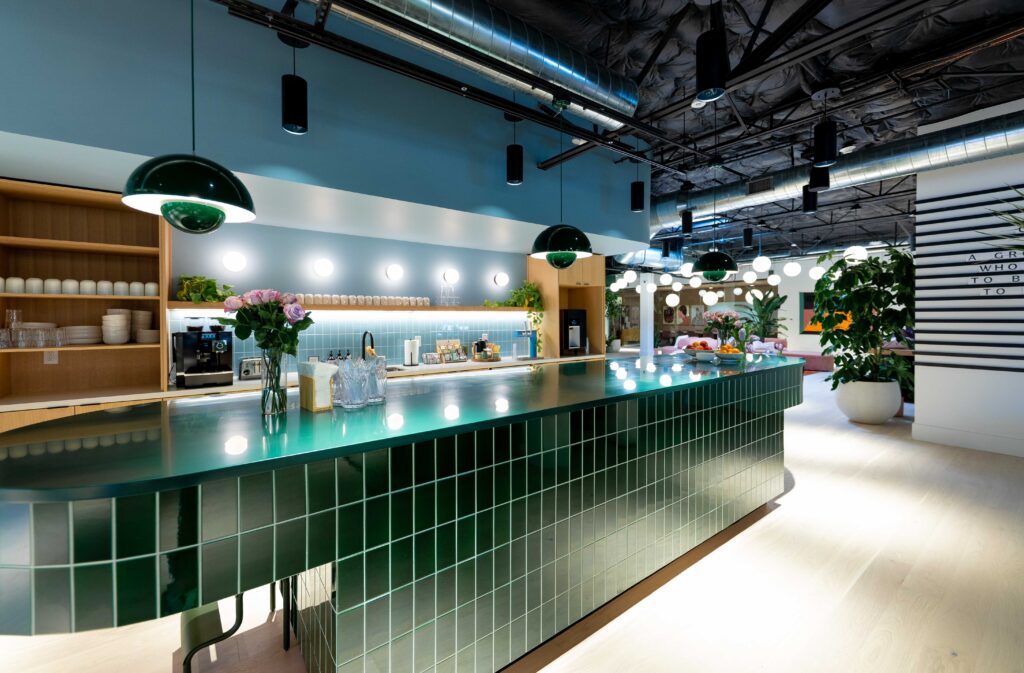
The coworking market has evolved significantly since the COVID-19 pandemic accelerated remote and hybrid work trends, with large companies increasingly moving towards flexible office arrangements rather than long-term office leases. Kiln memberships can last from 6 months to over a year.
Lewis said Kiln is seeing increased interest from major companies looking to set up satellite offices without taking on significant real estate debt.
“Kiln’s products are actually designed for any team, from teams of up to 30 to 40 people to individual creators and entrepreneurs,” he said.
At select Kiln locations, companies such as Nvidia, Siemens, HP, and Aflac collaborate with startups and independent professionals in shared environments with amenities ranging from wellness rooms and kitchenette capabilities to tiered event theaters and fully equipped podcast/recording studios.
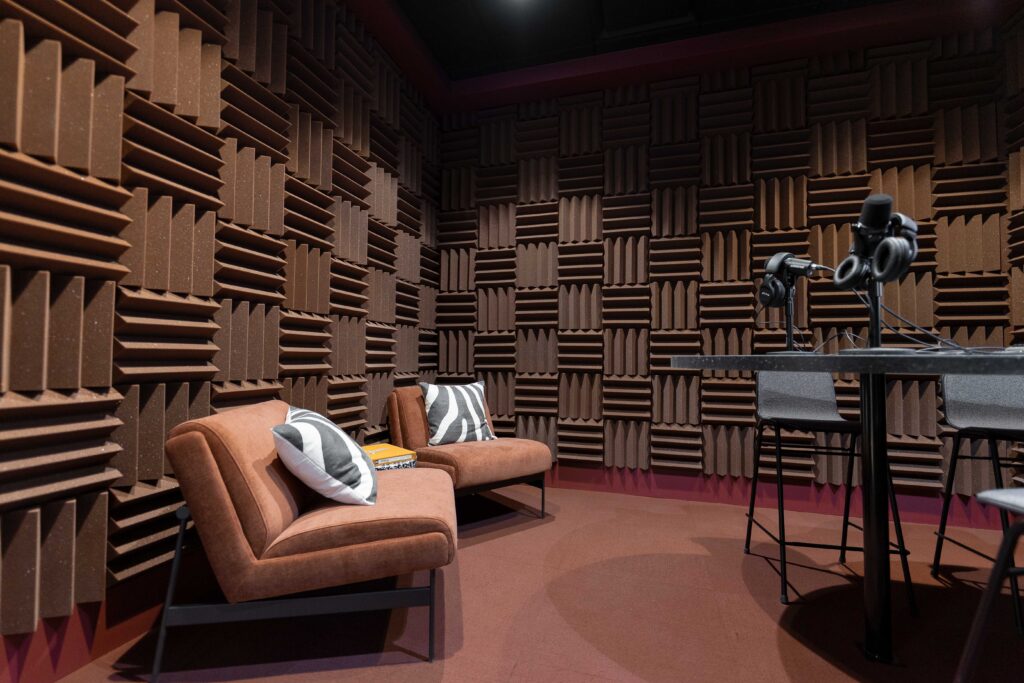
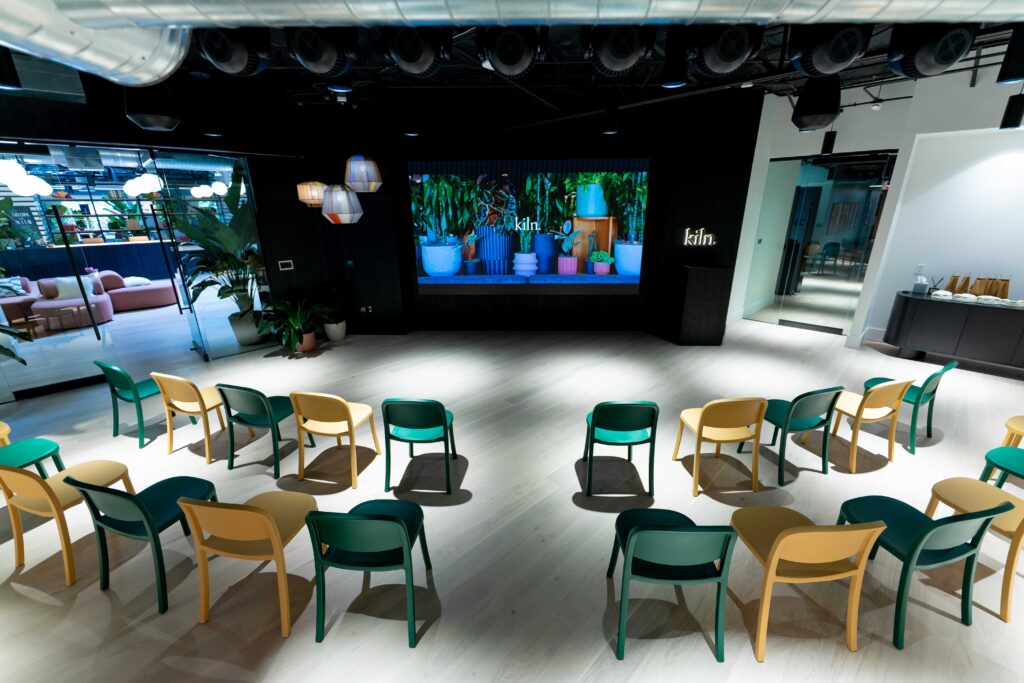
The company says the Preston Hollow store has already seen strong early demand, with only three of its large eight-person studio offices available ahead of opening. The founding member base includes businesses related to health and wellness, restaurant consulting, landscape architecture, finance, insurance, legal services, and marketing.
“Dallas is actually the No. 2 coworking market in the United States,” Lewis told CandysDirt.com. “Many of our members come from other coworking spaces. Most businesses in Dallas have collided with flex office or coworking in some way.”
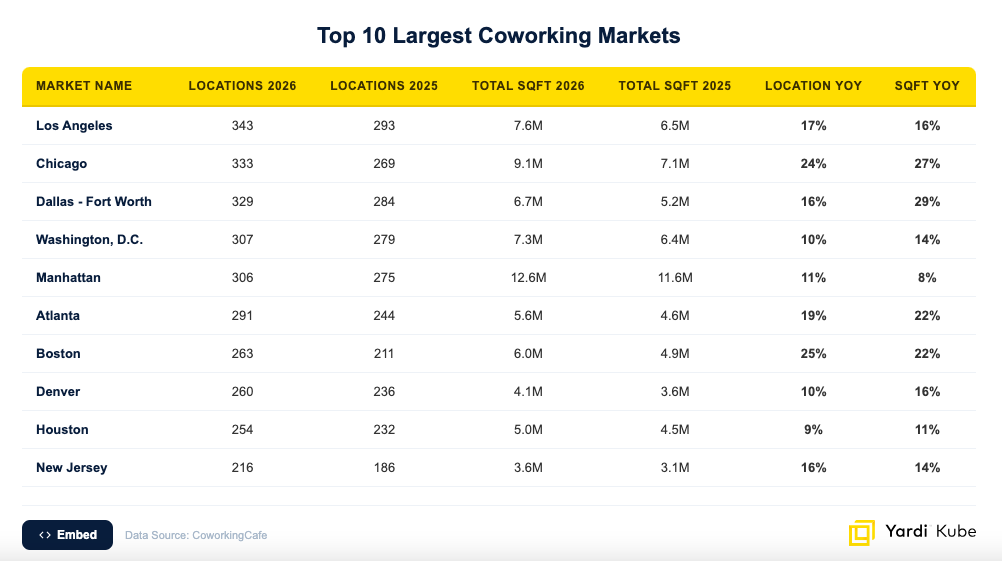
The metroplex now has about 6.7 million square feet of coworking inventory, an increase of nearly 30%, after adding about 1.5 million square feet from early 2025 to early 2026, according to a recent report from Yardi Kube. Industry analysts say this growth reflects both the region’s strong economy and changing attitudes toward office space, making Dallas a target market for Kiln.
But as if the pandemic wasn’t enough, an impending game changer could impact the office market. Rather than distributing office workers, companies may need even fewer office workers. Advances in AI are expected to replace many white-collar jobs, which means a smaller (or no) company footprint. However, Lewis believes this could increase demand for smaller collaborative environments, especially those willing to pay a premium. He argued that teams working in AI and innovation-focused industries still rely heavily on in-person networking and knowledge sharing.
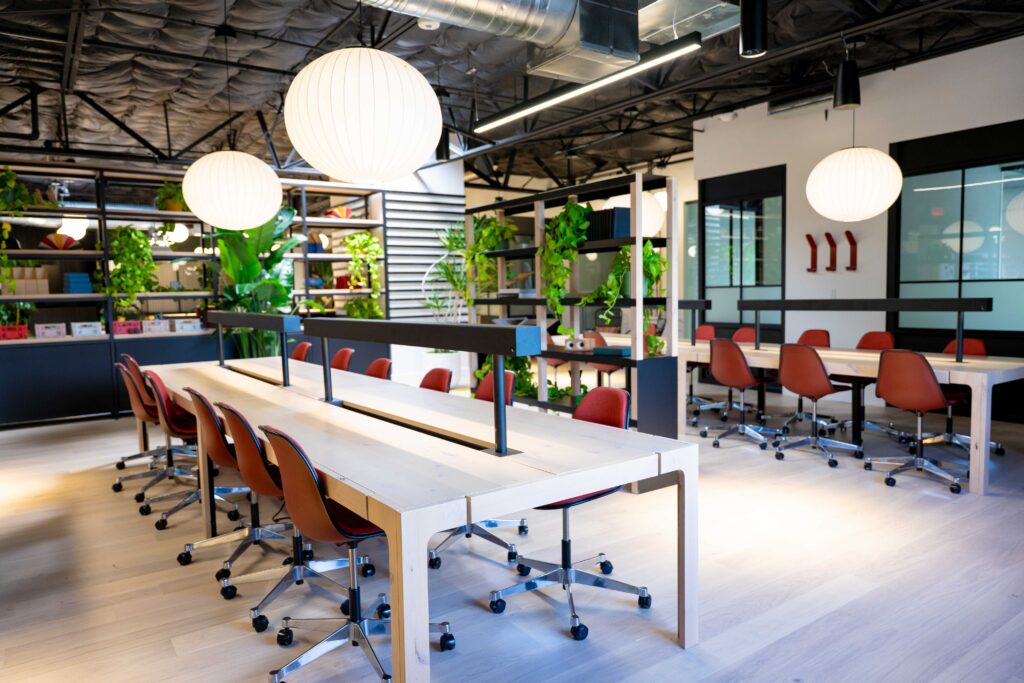
“If you think about what teams that are building with AI really need, they need top-notch talent. They need to be highly creative. They need to move quickly, and they need to learn from the people around them,” he said. “And those are our strong suits.”
#Kiln #expands #lifestylefocused #coworking #offices #North #Texas