The demand for athletic performance shoes doesn’t seem to be slowing down any time soon.
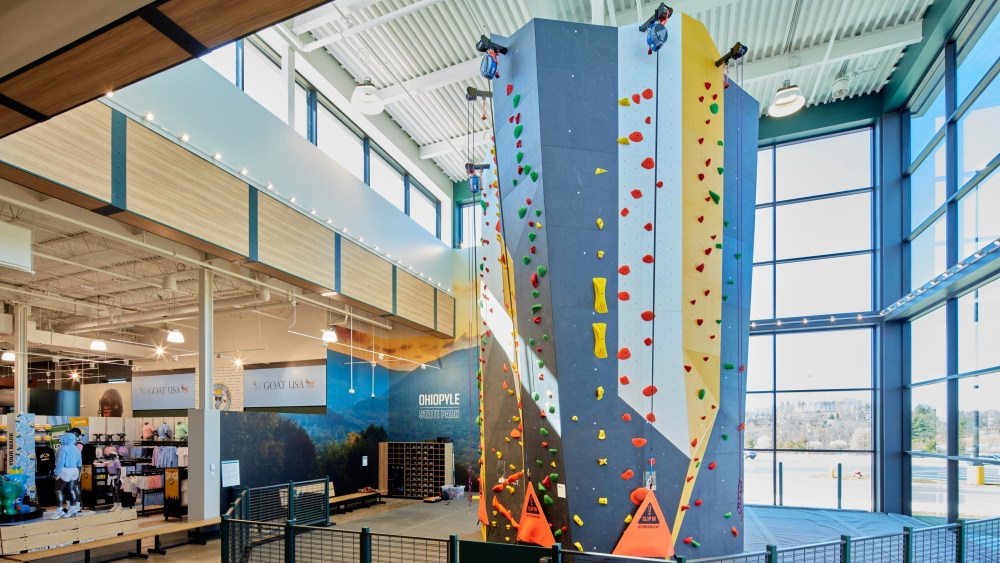
A new report on the outdoor industry published by SFIA (Sports & Fitness Industry Association) finds pickleball, climbing and soccer among the top five growing sports last year. Pickleball growth increased by 22.8% in 2025 to 24.3 million participants. Climbing participants in the sport and boulder category increased by 20.1% to 3.2 million, and climbing participants in the traditional, ice and mountaineering category increased by 14.2% to 2.9 million. In addition, the number of participants in indoor mountain climbing increased by 13.1% to 7.1 million people. In soccer, outdoor attendance increased by 15.8% to 16.8 million, while indoor soccer attendance increased by 10.5% to 6.6 million. Among other sporting activities, participation in track and field events increased by 10.6% to 4.6 million people, and trail running participation increased by 6.6% to 17.2 million people.
The increase in participation in outdoor sports is likely to increase even further next year when statistics for 2026 are released. This suggests that the demand for appropriate footwear by athletes, such as sneakers, athletic performance shoes, and even spikes, will also continue to increase.
By gender, walking for fitness was the top activity for both men and women, increasing by 0.4% to 51.5 million people and by 0.4% to 64.1 million people.
Regarding the sporting goods industry, SFIA said that although there is some pressure on revenue growth due to profitability, cost structure and supply chain dynamics, revenue growth remains positive.
“While the industry grew by 3.4% in 2025, it fell short of 5% of overall GDP growth,” SFIA said in the report, noting that historically it is “unusual” for an industry to grow faster than GDP.
The report also states that the nature of industry growth is changing. Due to rising costs and tariff pressures, some of the recent revenue growth is likely driven by price trends rather than pure demand growth, the report authors concluded. The main factors contributing to the reduction in profit margins are increased material costs, price increases due to customs duties, and inventory adjustments in anticipation of price fluctuations. These factors also create an environment in which companies “struggle to maintain revenue while converting that revenue into profits,” SFIA said.
Tariffs in 2025 rank as the top concern across the industry and number one regardless of company performance. “This level of agreement suggests that tariffs are not a temporary disruption, but a structural challenge that affects the entire industry,” the report said.
Additionally, the SFIA report also noted that supply chains have not changed as dramatically as expected. A majority of companies, 69%, reported no changes to their sourcing strategies, with only 15.5% planning to increase manufacturing in the U.S., which is currently “equal to the percentage of companies planning to increase sourcing overseas,” the SFIA noted.
This is because global manufacturing industries, such as supply chains in the sporting goods sector, are deeply embedded with decades of investment in overseas production infrastructure, making reshoring costly and time-consuming. The reality is that companies are choosing to adapt within their existing systems rather than “radically reinventing their operations.” Adaptation includes absorbing costs, renegotiating relationships with suppliers, and passing price increases on to consumers.
Separately, when it comes to footwear, it is well known that athletic shoe manufacturers continue to produce in factories in Vietnam. One of the hurdles in moving production elsewhere is the presence of machinery and the necessary lasts already installed in the factories that currently make performance shoes.
#Increased #participation #outdoor #sports #bodes #footwear #industry