
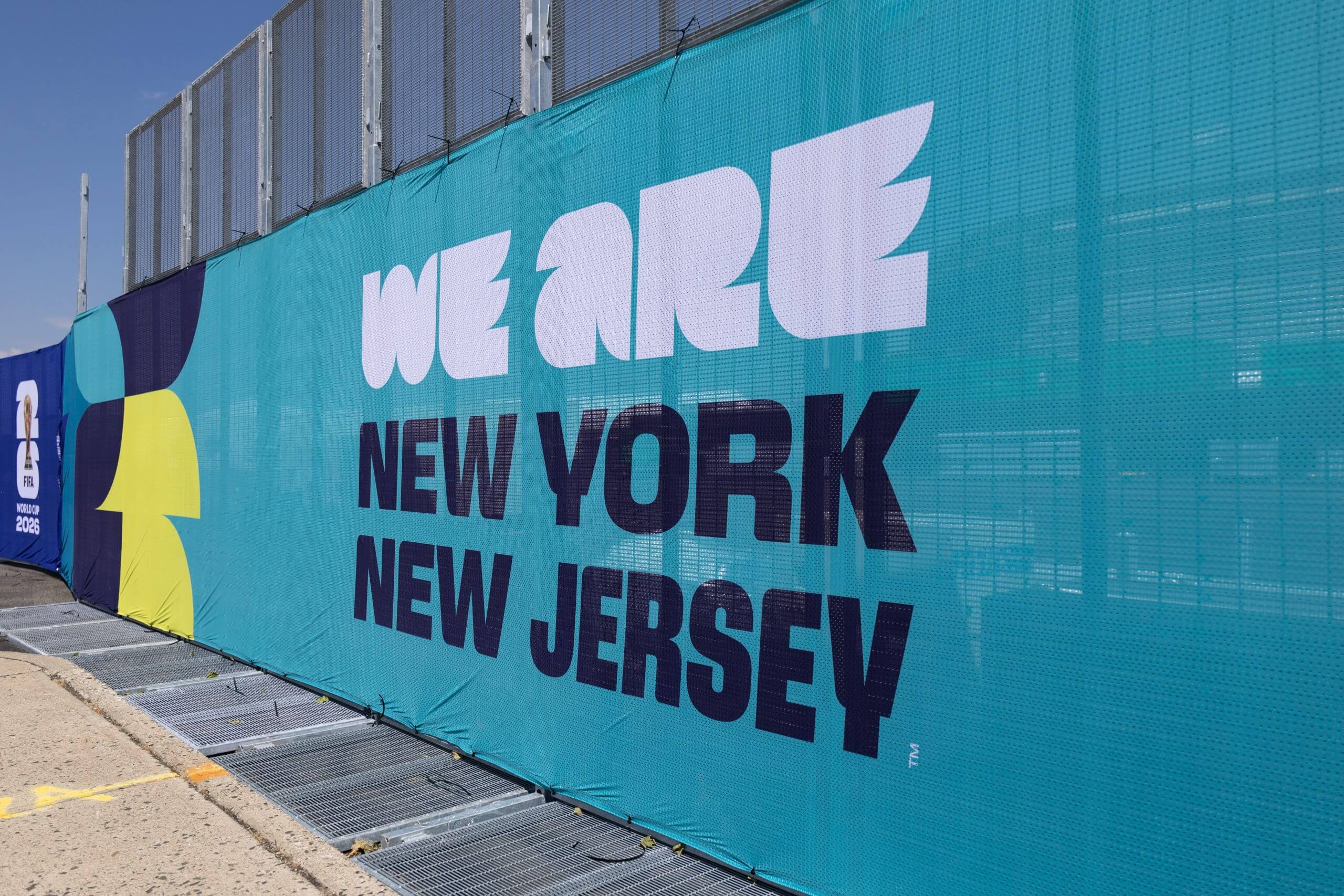
Tensions over the partnership between New York City and New Jersey for this summer’s World Cup have taken a new turn after New Jersey requested that signage be changed to put the city’s name before New York on at least one side of MetLife Stadium during the World Cup.
Work is currently underway to adjust the most prominent of the stadium’s two signs to New York, New Jersey instead of New York, New Jersey. This sign is what fans see when they first see the stadium as they exit the New Jersey Transit System rail system.
The joint host city partnership between New York and New Jersey to host World Cup matches at MetLife Stadium was established in retrospect to a joint bid by the United States, Canada and Mexico in 2018.
MetLife Stadium in New Jersey will ultimately host eight games, including the final, and will also serve as the training base for the four World Cup teams (Brazil, Senegal, Haiti, and Morocco) during the tournament. The idea was to combine the power of New York’s global name recognition and reputation with New Jersey’s infrastructure, and the organizing committee decided on the name New York New Jersey.
This includes the stadium signage, which was renamed MetLife during the tournament as FIFA’s agreement with the host city stipulates that the venue must be free of any commercial sponsors other than FIFA itself.
Therefore, the venue became known as New York-New Jersey Stadium for the duration of the tournament, and two large signs were posted at the venue to identify it.
New York’s name was placed in front of New Jersey for stadium marketing during the tournament (Dustin Satloff/Getty Images)
“New Jersey First”
However, Governor Mikie Sherrill’s office asked FIFA and the host committee to change the name to better reflect New Jersey’s role, investment and contribution to the World Cup.
The name change request came several months ago when FIFA requested some operational changes regarding matters at the venue, and Governor Sherrill’s office said it was prepared to comply, but instead asked for a name change, according to a person familiar with the discussions.
“I always put New Jersey first, and I wanted the stadium that will host eight World Cup games in our state to do the same,” Governor Sherrill said.
“We are excited to welcome soccer fans from around the world this summer, and this recognition helps ensure an exciting and memorable experience for New Jerseyans and visitors alike.”
New Jersey Transit has angered FIFA by charging $98 for a round-trip train ticket, originally announced at $150, to travel from New York’s Pennsylvania Station to MetLife Stadium for a FIFA World Cup game.
The 28-mile rail journey, which includes a stop at Secaucus Station, would normally cost $12.90 for a round-trip ticket, but FIFA argued the pricing had a “chilling effect.”
Since taking office in New Jersey, Governor Sherrill has sought to reduce the burden on taxpayers for this World Cup.
FIFA initially struck agreements with host cities that provided ticket holders with free travel to matches, similar to host Qatar in 2022 and Russia in 2018, but after pressure from host cities, FIFA removed this requirement and agreed to pay at-cost.
The issue came to light this week when the New Jersey Department of Transportation claimed the cost would be $48 million, or $6 million per game for the eight World Cup games including the final, and Sherrill declared that the cost would be borne by World Cup fans.
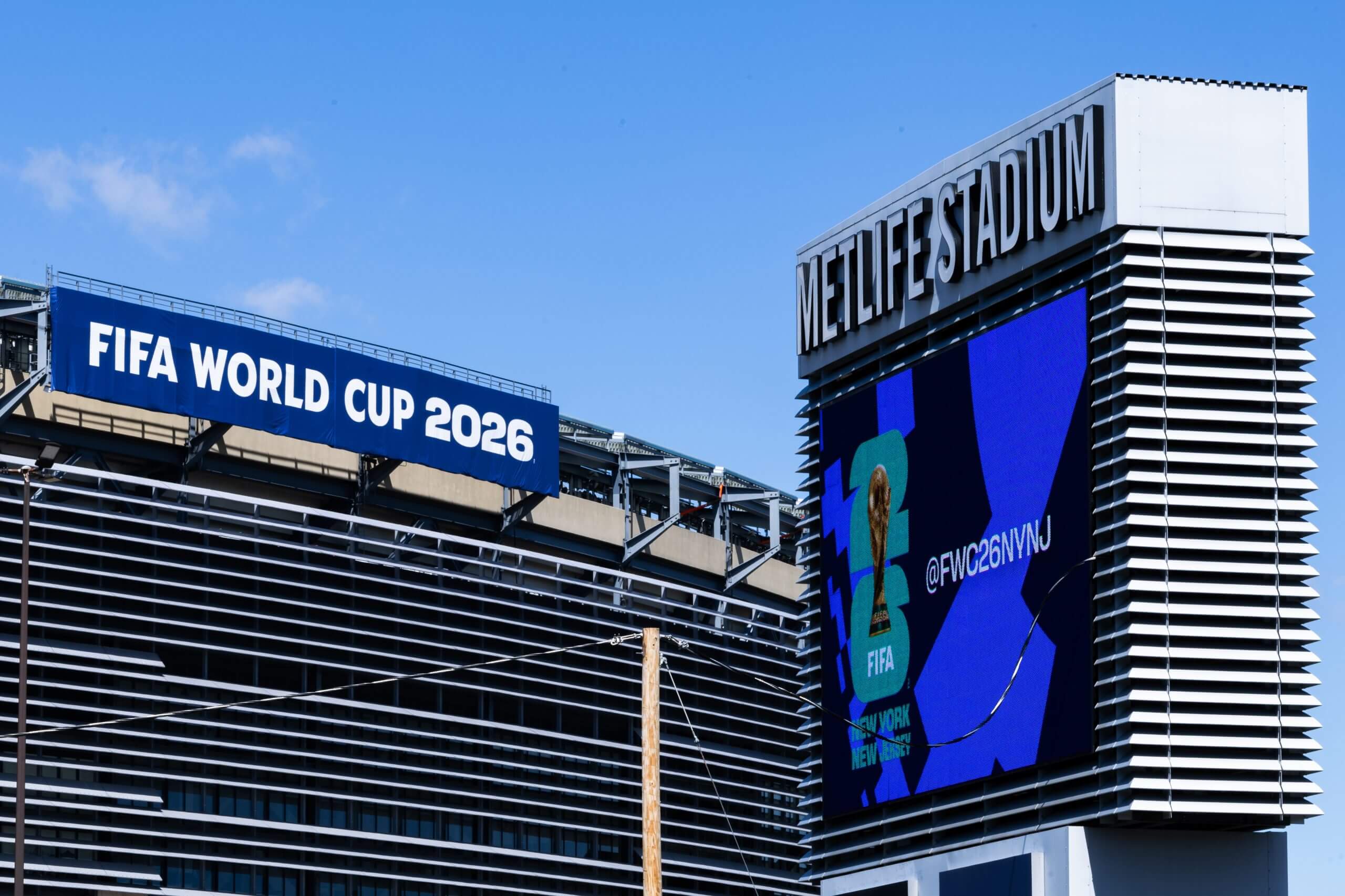
MetLife Stadium will host eight games at the 2026 World Cup (Dustin Satloff/Getty Images)
Governor Sherrill sought to place the blame for expensive traffic tickets on FIFA, arguing that FIFA should use the $11 billion in revenue from the tournament to offset costs.
“Under the agreement my administration inherited, FIFA spent zero dollars on transporting World Cup fans. Additionally, parking at MetLife Stadium was eliminated and New Jersey Transit was burdened with transporting four times the usual number of game-day riders for events at the stadium.”
“In addition to extensive logistical considerations to ensure transportation is safe and efficient for regular commuters and FIFA ticket holders alike during the tournament, this deal will cost NJ Transit at least $48 million, while FIFA is expected to reap $11 billion in profits during the World Cup.”
“We strive to ensure costs are shared fairly. As we have said many times, FIFA should pay for fan transportation. If it doesn’t, we are not going to subsidize World Cup ticket holders who ride on the backs of New Jerseyans who use New Jersey Transit every day.”
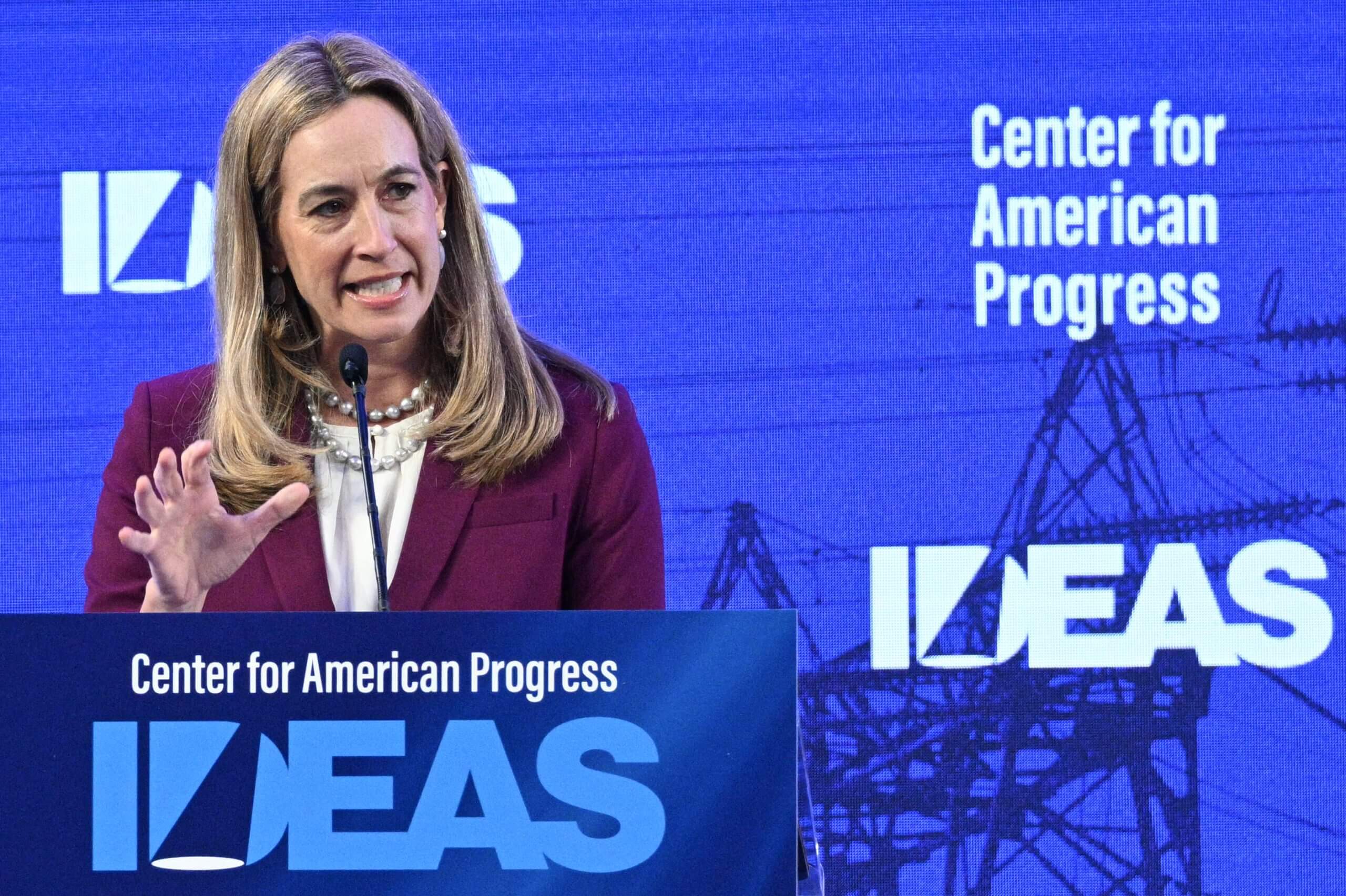
Sherrill said FIFA should subsidize transport costs to MetLife (Jim WATSON / AFP via Getty Images)
New Jersey has already committed more than $300 million through all World Cup-related spending, a claim not disputed by the governor’s office, according to documents viewed by Northjersey.com.
However, a significant portion of these costs will likely be in long-term infrastructure improvements, the effects of which will last long beyond the tournament.
Mamdani’s commitment to New York City residents
Tensions flared again this week after FIFA agreed to allow the mayor of New York to allow its joint hosting committee to vote on 1,000 tickets for games at MetLife Stadium at a price of $50. The tickets will be distributed to local residents through voting.
However, tickets can only be purchased by New York City residents, a spokesperson for Governor Sherrill said. The Athletic: “FIFA’s failure to consider costs to New Jersey residents is not new.”
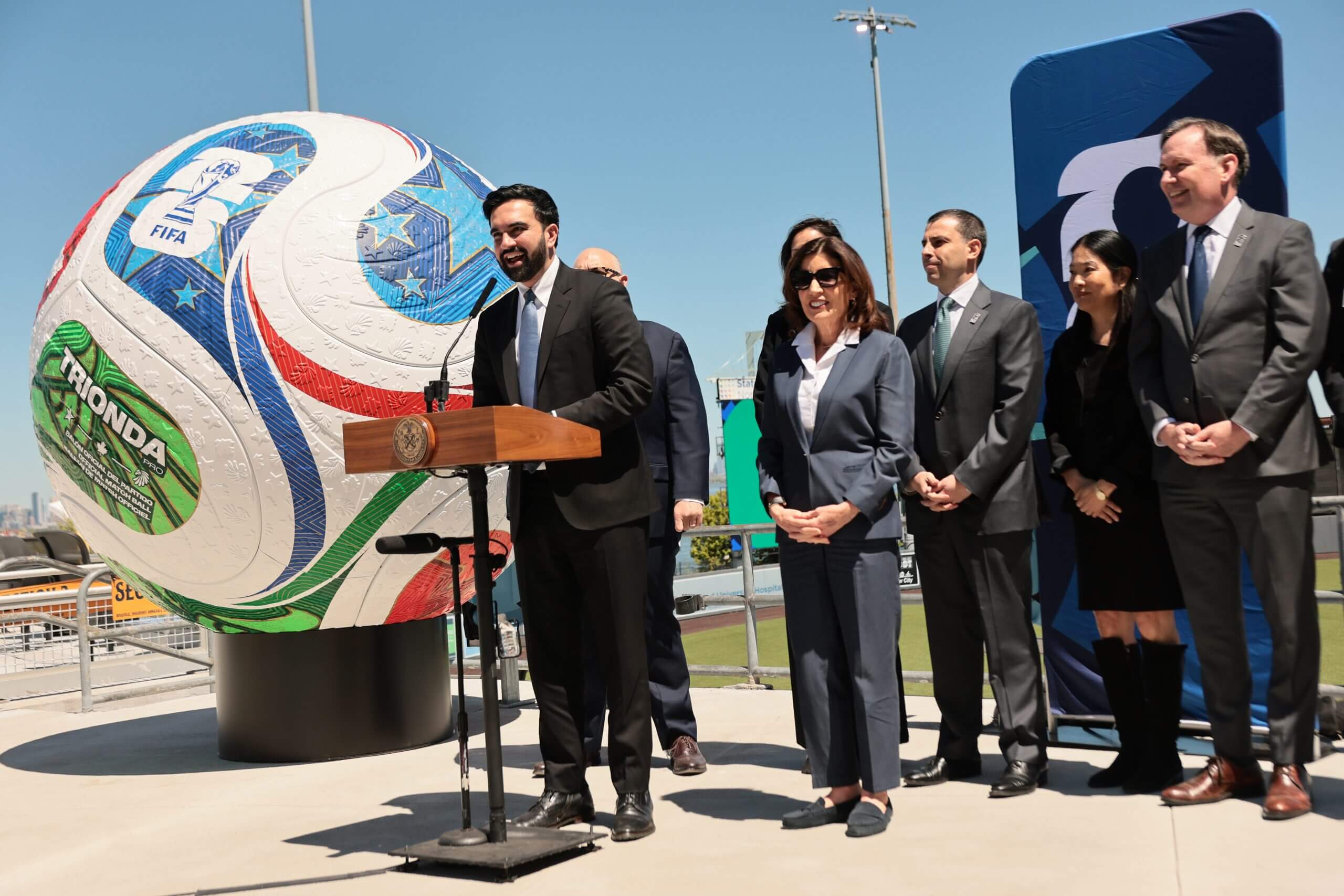
Mamdani campaigned to give New Yorkers greater access to the 2026 World Cup (Michael M. Santiago/Getty Images)
Tickets were raised from the host committee’s allocation and subsidized by the committee, a nonprofit organization that combines public funds, private donations, and sponsorships. While Mamdani secured quotas for New Yorkers, the same is not true for New Jersey residents. New Jersey prioritized aid for local commuters rather than requests from political leaders, and FIFA did not provide it to cities.
However, the region’s host committee provided significant financial support, more than $3.5 million, to help with costs for New Jersey commuters affected by the World Cup suspension during the tournament.
“Governor Sherrill is working hard on his own to reduce costs, including securing $3.6 million in discounted tickets for NJ Transit customers whose commutes have been affected by the World Cup games, which is why we are maximizing the economic benefit and excitement of the games across the state,” a spokesperson for Governor Sherrill added on Thursday.
#MetLife #Stadium #billboard #creates #tension #YorkNew #Jersey #World #Cup #partnership