
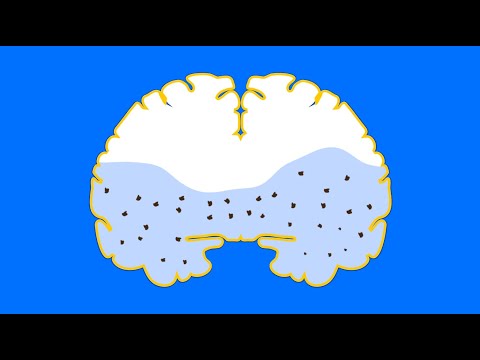
Staying on top of the health and lifestyle factors associated with dementia is becoming a Sisyphean battle.
In recent years, advances in research have allowed scientists to identify different aspects of our lives that are associated with dementia risk later in life.
Some of these are relatively easy to fix, such as brain training, diet, and exercise. Others are much more difficult to control and much more difficult to link to simple behavioral changes.
Chronic stress, aging, cardiovascular disease and depression have each been independently associated with higher risk of dementia, but a new review of research suggests they may be linked by a common thread.
We conclude that the common denominator among all these factors is sleep. More specifically, sleep may play a role in helping the brain remove metabolic waste products that accumulate during waking hours.
“Many of the diseases that increase the risk of dementia also disrupt the brain’s sleep rhythm,” said Miken Nedergaard, a neuroscientist at the University of Rochester in the US.
“Our study suggests that these may not be separate phenomena; they may be connected through the brain’s ability to remove waste products during sleep.”
Sleep is one of the great mysteries of animal biology. We know it’s very important. When sleep is insufficient, inadequate, or interrupted, a variety of problems begin to occur.
Recent research has also found that it may be important for the body’s maintenance. For example, a 2020 study found that fatal sleep deprivation in flies was associated with damage to the gut, not the brain, suggesting that without sleep, metabolic wear and tear can accumulate faster than the body can repair itself.
More than a decade ago, in 2012, Nedergaard’s lab made a neuroscience-changing discovery: the glymphatic system and its function.
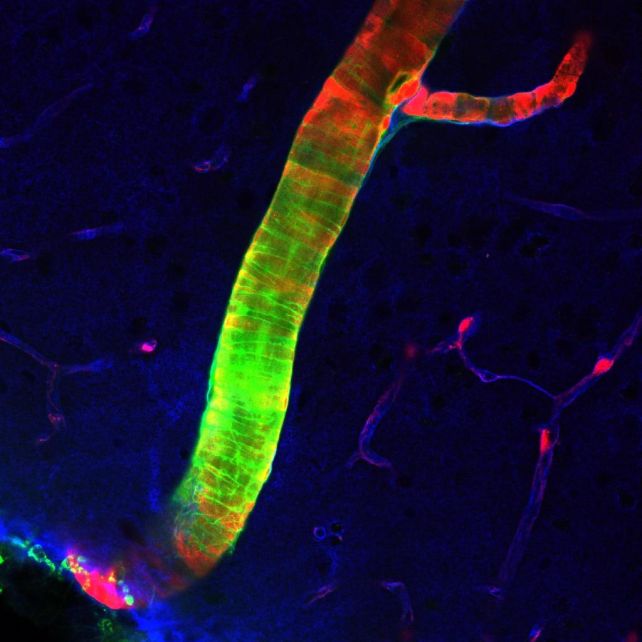
This paravascular network, first identified in mice and later in humans, is thought to help circulate cerebrospinal fluid in the brain.
It may play an important role in the removal of metabolic wastes. Some scientists have proposed that the glymphatic system may help excrete proteins associated with Alzheimer’s and Parkinson’s diseases.
Some studies suggest that the glymphatic system is more active during sleep, but a notable 2024 study in mice found the opposite to be true, raising questions about the link between sleep and brain cleansing and how it affects dementia risk.
Nedergaard’s review suggests that the situation may be more complex and that sleep quality is essential for glymphatic function.
 frame border=”0″ permission=”accelerometer; autoplay; clipboard write; encrypted media; gyroscope; picture-in-picture. web-share” referrerpolicy=”strict-origin-when-cross-origin” allowedfullscreen>
“Sleep is not a state of quietness or inactivity,” says Nedergaard.
“During sleep, the brain shifts into a coordinated rhythm that appears to support one of its most important housekeeping functions.”
She focuses on a group of neuromodulators, which are brain chemicals such as norepinephrine, serotonin, dopamine, and acetylcholine that help regulate sleep, mood, motivation, attention, and more.
Some recent studies have found that during non-REM sleep, these chemicals pulsate in sync, ebbing and flowing about once every 50 seconds.
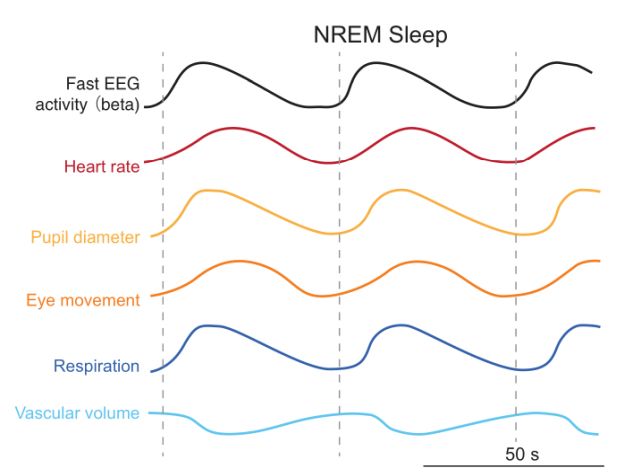
This is important because these same chemicals can also affect blood vessels.
Dr. Nedergaard argues that during healthy sleep, this rhythm helps blood vessels slowly expand and contract, potentially creating waves that move cerebrospinal fluid in the brain.
When sleep is interrupted or induced by drugs, its rhythms can be weakened or disrupted, reducing the brain’s ability to remove waste products.

This means that chronic stress, mental illness, cardiovascular disease, and even age-related changes in sleep can all interfere with the same nighttime maintenance systems.
Related: Scientists reveal optimal amount of sleep to lower dementia risk
“For decades, we’ve thought about sleep primarily in terms of memory and recovery,” says Nedergaard.
“What is now emerging is the idea that sleep is also a highly organized state of fluid transport that helps maintain brain health.”
Because little is known about the biological reasons for sleep, it is difficult to establish a causal relationship between sleep and dementia.
Although this review does not yet answer that question, it suggests that the connection between sleep and overall health is inextricable, and that unraveling it may be important to understanding a wide range of health issues, not just those that affect the brain.
A review has been published science.
#important #body #function #dementia #risk #factors